The Rankings Conversation Always Has a Second Number



The most common rankings question in our counselling data this week was not which university sits highest. It was which sits highest within a figure the student had already settled on before picking up the phone.
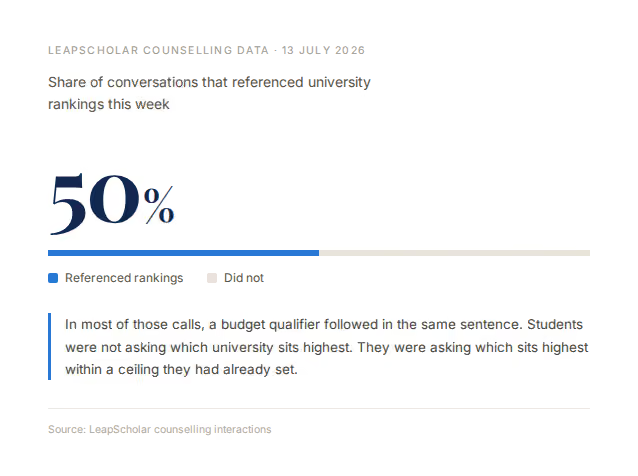
Rankings came up in 50% of our conversations this week. In most of those calls, a budget qualifier arrived in the same sentence. Students were not asking for the best university. They were asking for the best one within a ceiling, and those are different searches.
Any family that has been through Joint Entrance Examination (JEE) counselling has already run this calculation once. The rank comes out, the cutoffs are published, and what you apply for is not the highest-ranked option on the list. It is the highest-ranked option you can actually reach. For a large share of the students in our data, international admissions works the same way.
The budget they bring is specific. Sometimes it is adjusted for a scholarship they have already identified, a named university’s merit award already factored into the net figure. Sometimes it is a loan ceiling worked out with a family member before the call. Either way, it is a number that arrived before the conversation did.
That alone would register as a planning detail. What makes it worth sitting with is the gap it opens up in the content those students encounter. Top-ten lists tell them which university ranks first. They do not tell them which ranks first within the number they are working with. Those are different questions, and they produce different shortlists.
The students carrying both numbers into the call are not the underprepared ones. They have done the research, set the ceiling, and arrived knowing what they want the shortlist to contain. The constraint narrows the search. It does not lower it.
Half our conversations this week carried both numbers at once. Most of the content those students will find was written for just the first.
Users also read


.avif)